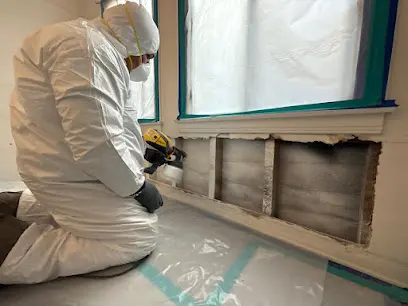
Clean water from a broken supply pipe and wastewater from a sewer are not the same problem. Sewage carries bacteria and viruses, so it has to be cleaned and disinfected, not just dried. Smyrna, the largest town in Tennessee in the 2020 Census, has had public reminders of what that kind of water means.
Key takeaways
- Sewage is the most contaminated category of water, so soaked porous materials are removed, not dried in place.
- Town of Smyrna Utilities handles water, sewer and natural gas service, and the town runs its own Waste Water Treatment Plant.
- In early February 2018, two sewer main breaks sent sewage out of manholes along Sam Ridley Parkway.
- On May 20, 2022 the town warned people to avoid contact with Stewart Creek near Percy Priest Lake because of elevated bacteria.
- Cleanup, disinfection and drying are done in that order, with protective gear and containment throughout.
Why sewage is a different kind of water loss
Restoration crews sort water by how contaminated it is. A pipe that bursts under a sink releases clean water that becomes dirtier the longer it sits. Sewage starts at the top of the scale.
It carries bacteria and viruses that can make people sick through skin contact or by breathing the air near it. That is why a sewage loss follows a more careful method than a plumbing leak.
The method matters most in a house, where the water meets carpet, drywall and furniture that cannot be fully cleaned once soaked.
What Smyrna showed about sewage on a large scale
Smyrna had two public reminders of how sewage and contaminated water are treated. Neither was a house problem, but both show how seriously the health risk is taken.
- Early February 2018: two sewer main breaks sent sewage out of manholes along Sam Ridley Parkway, starting with a ruptured 12 inch sewer main.
- More than 250,000 gallons of sewage were moved to the treatment facility, and thousands of gallons more reached Stewart's Creek.
- Patch reported the spill may have been the largest sewage spill in Tennessee history, and Volunteer Park and its trails were closed during repairs.
- May 20, 2022: the town warned the public to avoid contact with Stewart Creek near Percy Priest Lake because of elevated bacteria, and said drinking water was not at risk.
What a house can take from those events
A public spill is handled with closures and pumps. A house has to be handled one room at a time. The idea is the same: keep people away from contaminated water until it is removed and the area is cleaned.
Smyrna's water and sewer system
Town of Smyrna Utilities handles water, sewer and natural gas service. The town also operates its own Waste Water Treatment Plant.
When a backup comes from the town's system or from the pipe serving one house, the first call is to the utility or a plumber for the cause. The restoration crew is a separate call, for the water already inside the house.
Smyrna has a lot of homes and businesses, with the town counted at 53,070 residents in 2020, so backups can happen in a mix of houses, townhomes and commercial space.
First steps when sewage reaches the floor
The goal is to limit contact and keep the loss from spreading.
- Stop running water in the house, since every flush and drain adds to the backup.
- Keep people and pets out of the wet area, and keep children away.
- Turn off power to wet rooms only if it can be done from a dry spot.
- Do not use a household vacuum on sewage water.
- Take photos of the wet area and any visible source.
- Call a plumber for the cause and a sewage cleanup crew in Smyrna for the water.
What the cleanup removes and what it keeps
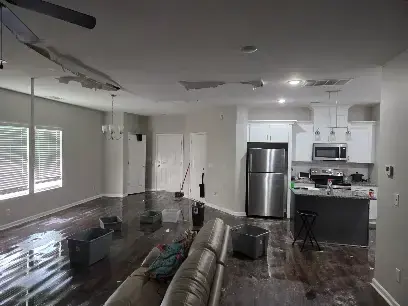
The cleanup follows the material, not the room. Porous things that soaked up sewage are removed, while hard, solid materials can be cleaned and kept.
The crew works in protective gear and sets up containment, so the contamination does not travel into clean rooms on boots or in the air.
- Carpet, pad and the bottom of wet drywall are cut out and removed.
- Insulation touched by sewage is bagged and taken out.
- Hard floors, tile and framing are cleaned and treated with an antimicrobial.
- Upholstered furniture and mattresses that touched sewage are usually discarded.
- HEPA air scrubbers clean the air while materials are being removed.
Drying after the cleaning
Once the surfaces are clean, the area still has to dry. Moisture left in wood and drywall beyond the 24 to 48 hour window can support mold.
Structural drying in Smyrna uses dehumidifiers and air movers placed from moisture readings, with daily visits until the framing is dry.
The order matters. Drying a room before it is disinfected can lock contamination into the materials, so the dry step comes last.
Health and safety around a sewage loss
Sewage exposure is a health matter before it is a property matter. People with open cuts, young children, older adults and anyone with a weak immune system are most at risk.
The safest plan is to keep everyone out of the wet rooms until the crew has removed the water and treated the surfaces.
Household cleaners and a mop do not make sewage safe. Wastewater soaks into grout, baseboards and the edge of carpet, and a surface that looks clean can still hold bacteria.
- Wear boots, gloves and eye protection if anyone must enter the room.
- Keep food, dishes and pet bowls out of the affected area.
- Wash hands with soap and water after any contact.
- Throw out food that sat on the floor or in a wet pantry.
- Wash clothes that touched the water separately and in hot water.
Sewage in a house, a townhome or a shop
A sewage loss can reach any kind of building, and Sam Ridley Parkway is Smyrna's main commercial corridor, so shops and offices are part of the picture.
The steps are the same in each, but the stakes change. In a shop or office, a sewage loss can close the doors until the cleanup and the final readings are done.
- A house: lower bathrooms and floor drains are the usual entry points.
- A townhome: wastewater can reach a shared wall or a neighbor.
- A shop or restaurant: floor drains and restrooms are the usual entry points.
- An office: carpet tile and the bottom of partition walls soak up wastewater.
Smyrna sewage cleanup, from first call to final readings
A typical sewage job runs through a set of stages, each one finished before the next begins. The Brentwood team also covers sewage and grinder pump backups from sewage cleanup in the main service area.
- Assessment and photos of the affected rooms.
- Extraction of standing wastewater.
- Removal of soaked porous materials.
- Cleaning and antimicrobial treatment.
- Drying with daily readings.
- Final readings and a written record for the insurer.