Structural Drying in Smyrna, TN
After water reaches framing, subfloor or drywall, surface dryness proves nothing. The drying team sets equipment to the room's class, takes daily readings and stops only when every material meets its goal.
(888) 849-5796Start the drying plan- LGR dehumidifiers
- Daily psychrometric logs
- Desiccants when needed
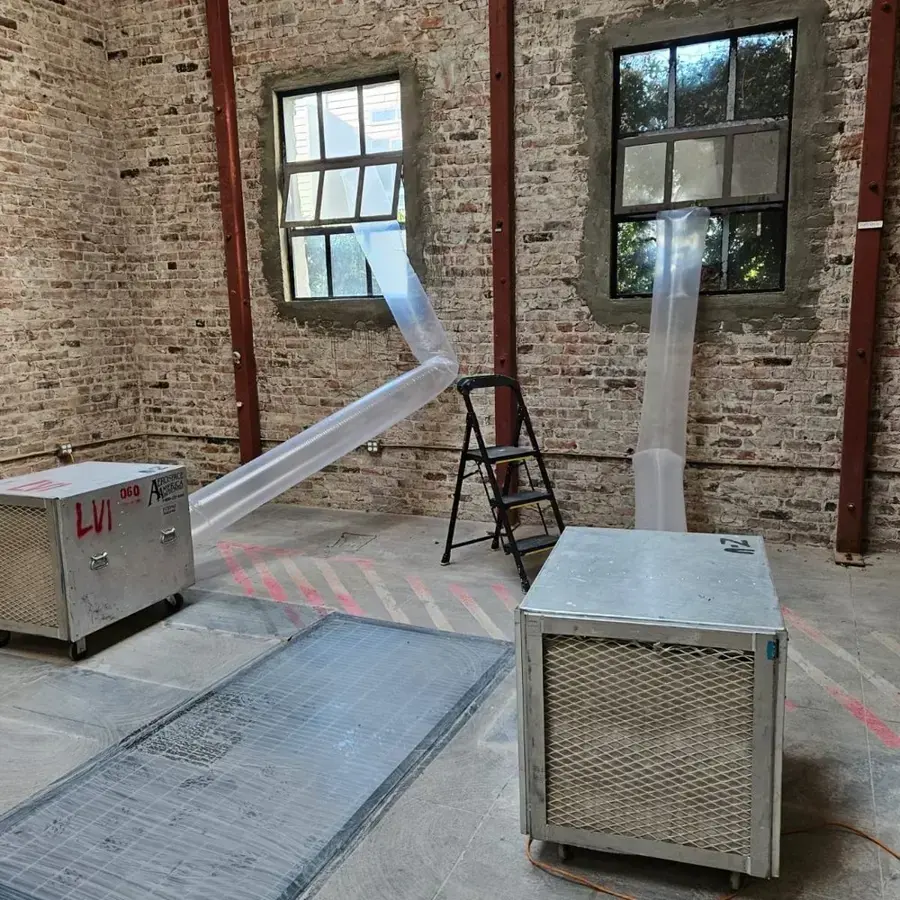
First steps for structural drying in Smyrna
- 1
Mark the wet area
Note which rooms and walls felt damp and do not move furniture back.
- 2
Keep the space closed
Close doors and windows so humid outside air stays out.
- 3
Leave equipment running
Do not switch off dehumidifiers or fans between visits.
- 4
Keep a log
Write down dates, rooms and anything that changes for the claim.
How structural drying is handled in Smyrna
Classing the loss
The drying team labels the loss by how much water the materials absorbed, which sets how many air movers and dehumidifiers each room gets.
Dehumidifiers and air movers
LGR units pull moisture from the air while air movers push it across wet surfaces, so water leaves the structure and not just the floor.
Daily readings
Moisture meters and psychrometric readings show whether drying is moving. Equipment shifts when a spot stalls.
Finishing to a goal
Equipment stays until each material reaches its dry goal, and the final log records it for the file.
What does structural drying cost in Smyrna, TN?
Drying work in Smyrna runs $1,200 to $6,000 for most losses. Days of equipment, the size of the wet area and the materials involved move the cost, and hardwood or Class 4 jobs reach higher.
The drivers are the water category, the square footage that got wet, the material class and how fast drying started. The water damage cost calculator gives a planning range; a firm number comes after the walkthrough.
How structural drying moves from wet to dry
- 1
Class the loss
Wetness sets the equipment.
- 2
Set the system
Dry air stays around the wet.
- 3
Read daily
Spots that stall get attention.
- 4
Finish to a goal
Equipment leaves at dry readings.
Drying is not finished when a room feels dry. Framing, subfloor and drywall can hold water for days after the surface looks normal, and that hidden moisture is what causes warping and mold.
Why readings beat the calendar
A fixed three-day plan can leave water in a thick subfloor or stop short on hardwood. The drying team compares each material with a dry reference and keeps going until the numbers match.
Hidden pockets are the usual reason a room that felt dry gets damp again. Wall bottoms, the cavity behind cabinets and the space under flooring are slow to let go, so the readings are taken there and not only on the surface.
Equipment sized to the loss
- Air movers to push air across wet surfaces.
- LGR dehumidifiers to pull moisture out of the air.
- Desiccant units for dense materials and cold spaces.
- HEPA scrubbers when the water was contaminated.
The number of units is not guesswork. It follows the room's volume, the class of the loss and how much water the materials took in, which is why a small bathroom and a large lower level, such as the one in finished basement flooding cleanup, get very different setups.
How it fits with the rest of the job
Drying follows water extraction and any demolition. In Middle Tennessee's humid storm season, a closed space with dehumidifiers dries faster than one open to outside air, and the readings show it.
Emergency dispatch for Smyrna, TN
The drying team runs and records structural drying across Smyrna, from one room to a whole floor.
Structural drying across Smyrna, TN
The restoration team covers all of Smyrna in ZIP 37167, from Downtown Smyrna and the Depot District to the Sam Ridley Parkway corridor and the Stewarts Creek area.
See every area servedStructural Drying and Dehumidification questions in Smyrna, TN
Water still coming in?
The Smyrna restoration crew dispatches day and night, weekends and holidays included.
Describe the damage to a Smyrna proHow long does structural drying take?
Many contained losses take three to five days. Hardwood, concrete, soaked framing or a deep flood can run longer, and readings decide the finish.
Why do the machines run all day?
Water leaves materials slowly. Continuous airflow and dehumidification keep moving moisture out, and shutting them off lets the walls reabsorb it.
Can I use my own fans and a store dehumidifier?
They help a little, but without meters and proper LGR capacity, moisture usually stays inside the framing.
What does IICRC S500 require?
It is the industry standard for classifying water, selecting equipment and documenting that materials reached a dry reference.
Will the electricity bill jump?
Equipment draws power for days, so usage rises while it runs. Ask your insurer whether that is addressed in your claim.
Is a damp smell a sign it is not done?
Often. Persistent odor means something is still wet, and mold can start after the first 24 to 48 hours, so readings continue.
Need a wet Smyrna home dried?
Call once the standing water is gone. The drying team sets equipment, tracks readings and finishes at the dry goal.